
Learn Permaculture
on the Land
Enhancing the natural world is a big part of permaculture, but there is so much more — it’s about creating systems that work for you and what you do. Learn from an accredited teacher and gain the skills, frameworks, and confidence to design spaces that are productive, regenerative, and truly sustainable.
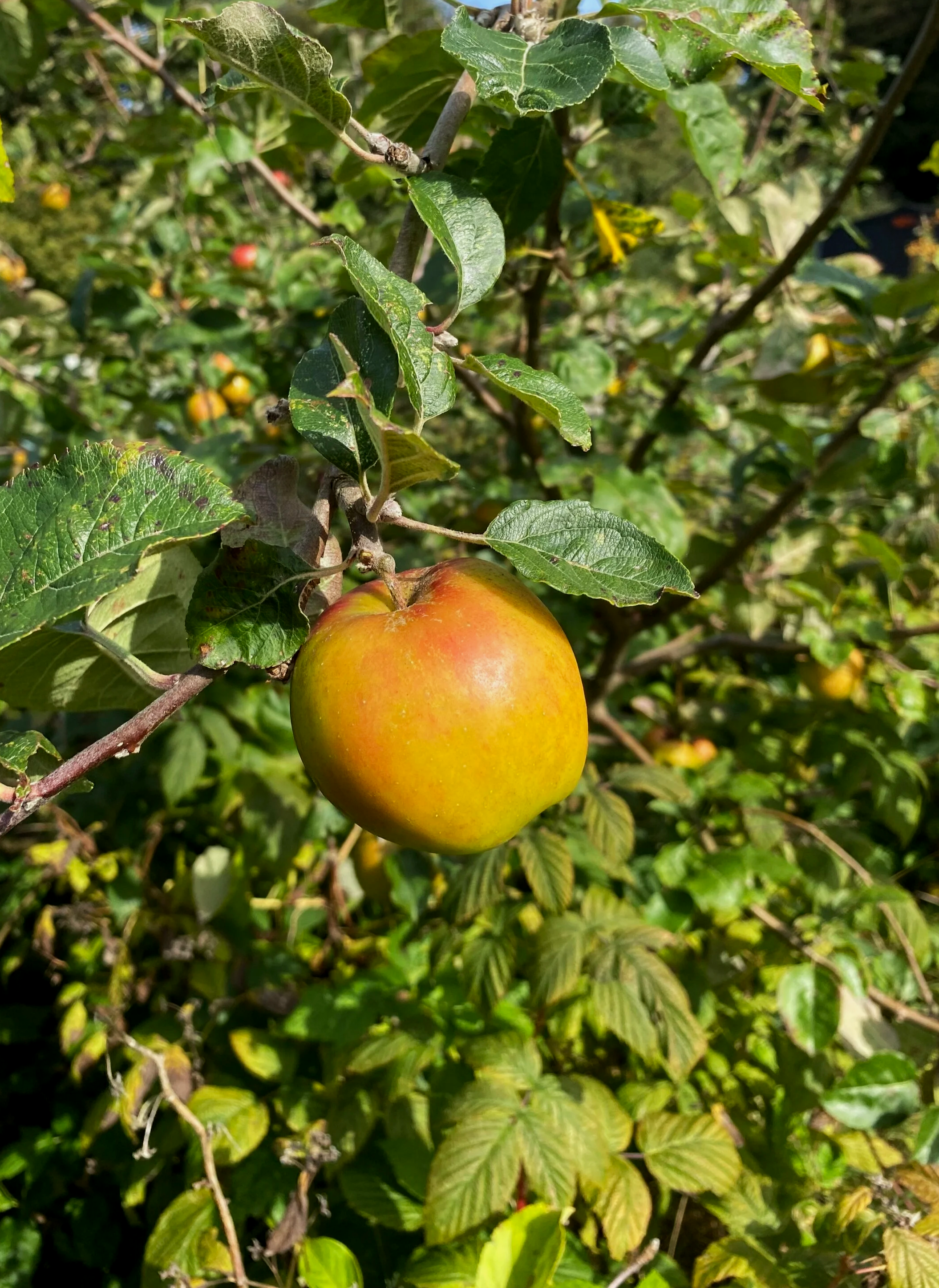
This year I’m offering three weekend courses on the farm, with free camping included. These hands-on experiences are designed to help you connect with the land, understand permaculture principles, and begin putting them into practice in your own life.
"Learning all the foundations of permaculture was so inspiring and made me feel more connected to something hopefull - in a world that can feel so full of problems. I love that permaculture focusses more on solutions and there is so much already out there that is making a huge difference. We all need to learn permaculture, please!"
Course Attendee
Upcoming Courses
Small Meadow Farm offers a peaceful place to stay, with far-reaching views, open skies, and space to slow down. Camping and course numbers are kept low, so it never feels crowded - just a beautiful field with a woodland area, fire pits and room to breathe.
The farm is 10 minutes from Hastings, close to historic villages and many natural beaches. The Bale House Visitor Centre is a short walk away and offers stunning sea views.
Course Information:
Onsite camping (Bring your own tent)
Book a local B&B if camping is not for you!
Onsite parking
Teas & Coffees
Please bring your own food and snacks
Please bring some drinking water (some is also provided)
Please bring warm layers and farm shoes
Does not include transport to farm - bus and taxis are inexpensive for non-drivers
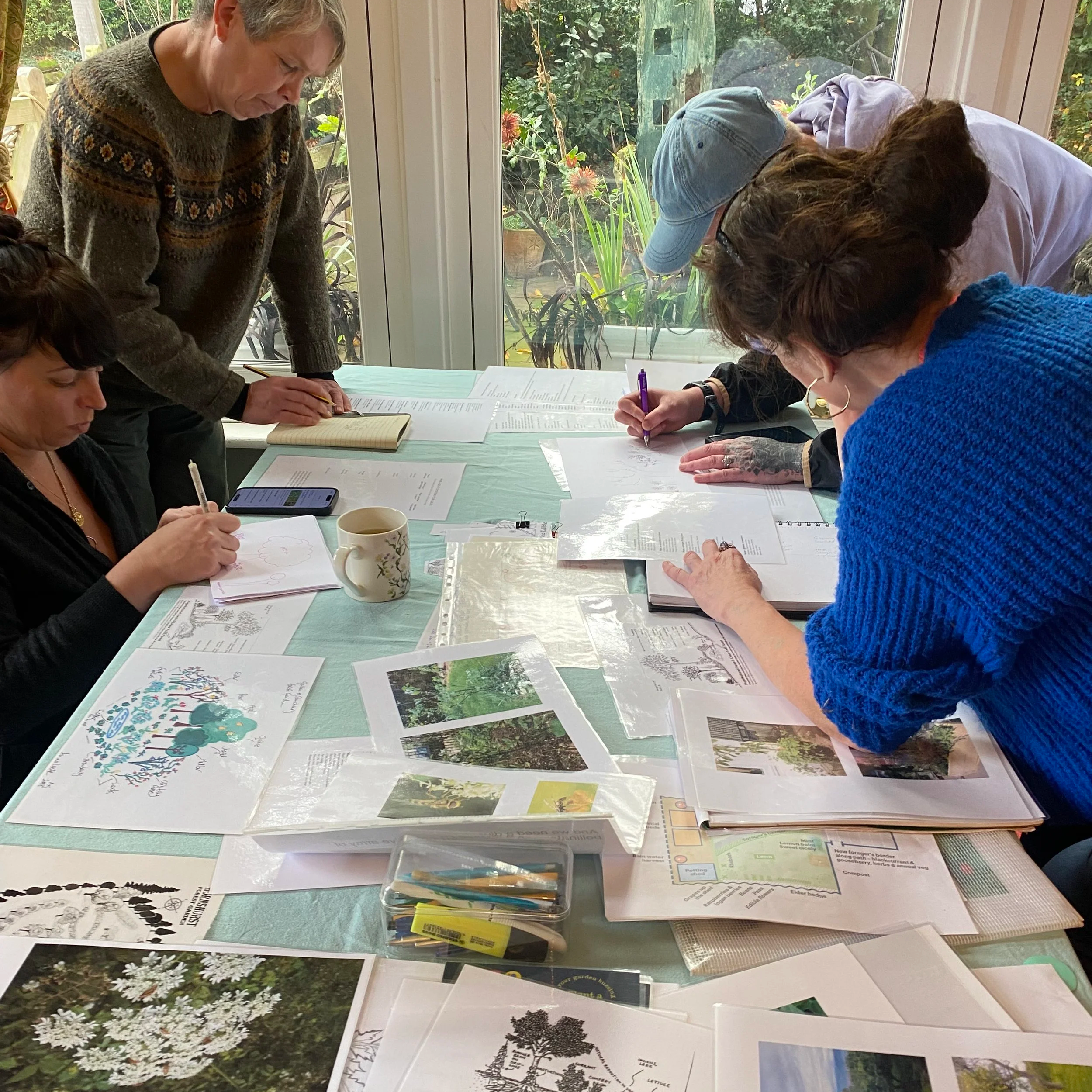
Over the weekend you’ll be introduced to the heart of permaculture: its core ethics and principles, how nature’s patterns guide thoughtful design, and the basics of the permaculture design process.
(This course is a pre-requisite for the full Permaculture Design Certificate.)
Why Permaculture
Design Matters
Designing isn’t just about planting or making things look nice — it’s about stepping back, asking the right questions, and thinking through how everything works together. When we do that, we understand our space better and come up with ideas that actually work in real life.
In permaculture, design is at the heart of everything. It shapes how we build soil, catch rainwater, use resources wisely, and create systems that are productive, resilient, and low-impact. The kind of design I teach is about making your garden or project truly sustainable — a space that fits you, your lifestyle, and the land around you. We look at how to make the best use of what you’ve got so everything flows and supports itself naturally.
Whether you’re starting fresh or need a bit of inspiration to get things moving again, thoughtful design helps you:
• Design with intention: Using frameworks and guiding principles to shape how we interact with the world and nature.
• Create spaces that truly work: Every element supports the others, so your garden, farm, or project is more resilient, productive, and easier to manage.
Permaculture is all about sustainable design.

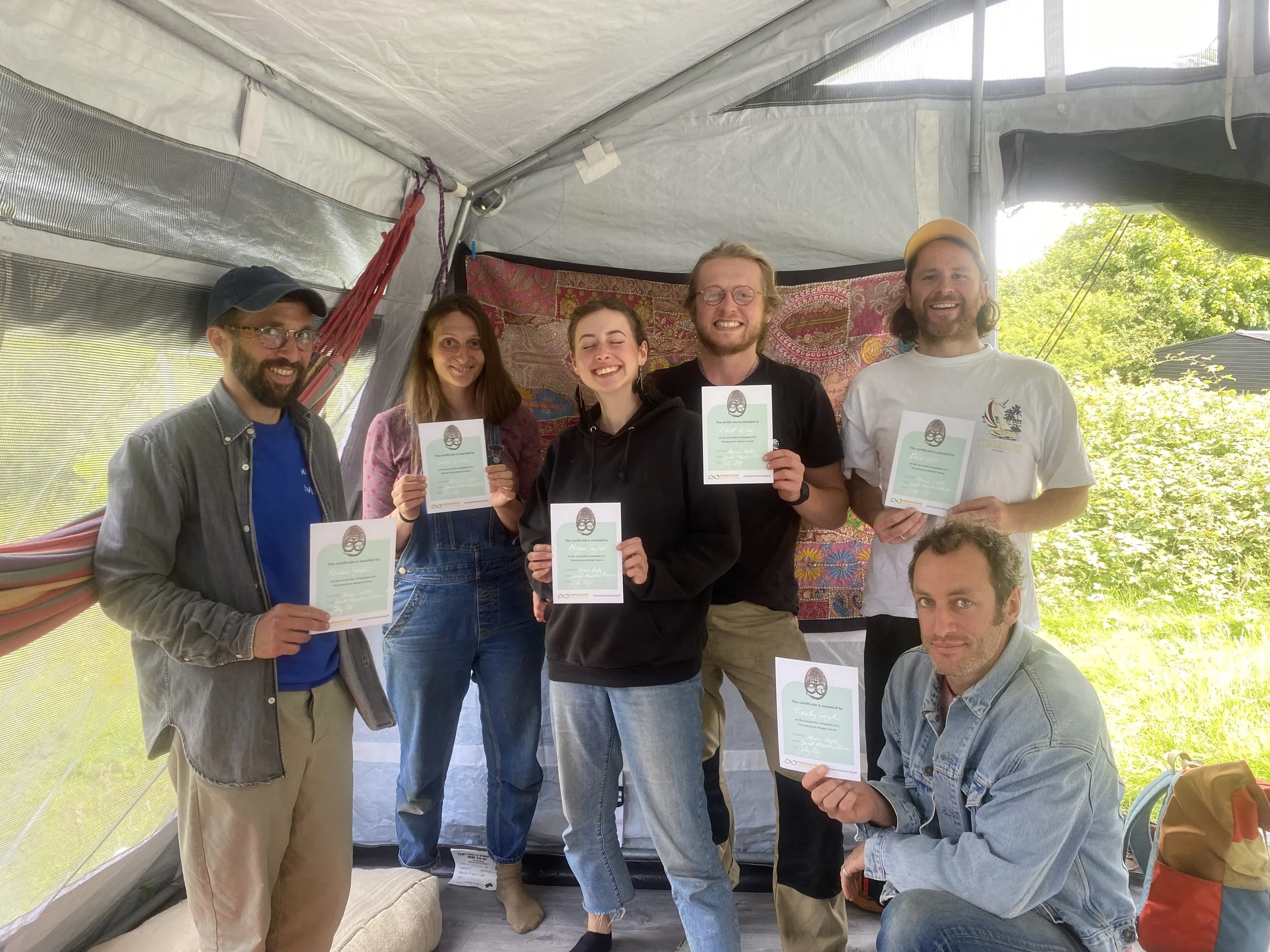
Why take a PDC?
Not all permaculture teachers are accredited to issue certificates — I’m one of the qualified few. Completing a Permaculture Design Course (PDC) means you can officially call yourself a permaculture designer, and gain a qualification that enriches all kinds of projects:
• Growing a garden that works with nature
• Developing a business rooted in sustainability
• Running community projects or land-based initiatives
A PDC gives you the confidence, practical skills, and frameworks to design spaces and projects that are in harmony with the land, productive, and regenerative — and it can strengthen almost anything you do in life. Its also an internationally recognised qualification.
"Doing the PDC changed my life! Now I'm a full time gardener, doing some sustainable designs for my clients, I'm never working in schools again!"
Course Attendee